Buhay Jeepney
The jeepneys will soon become a thing of the past. So I grabbed a camera and started capturing memories with these while we still can.
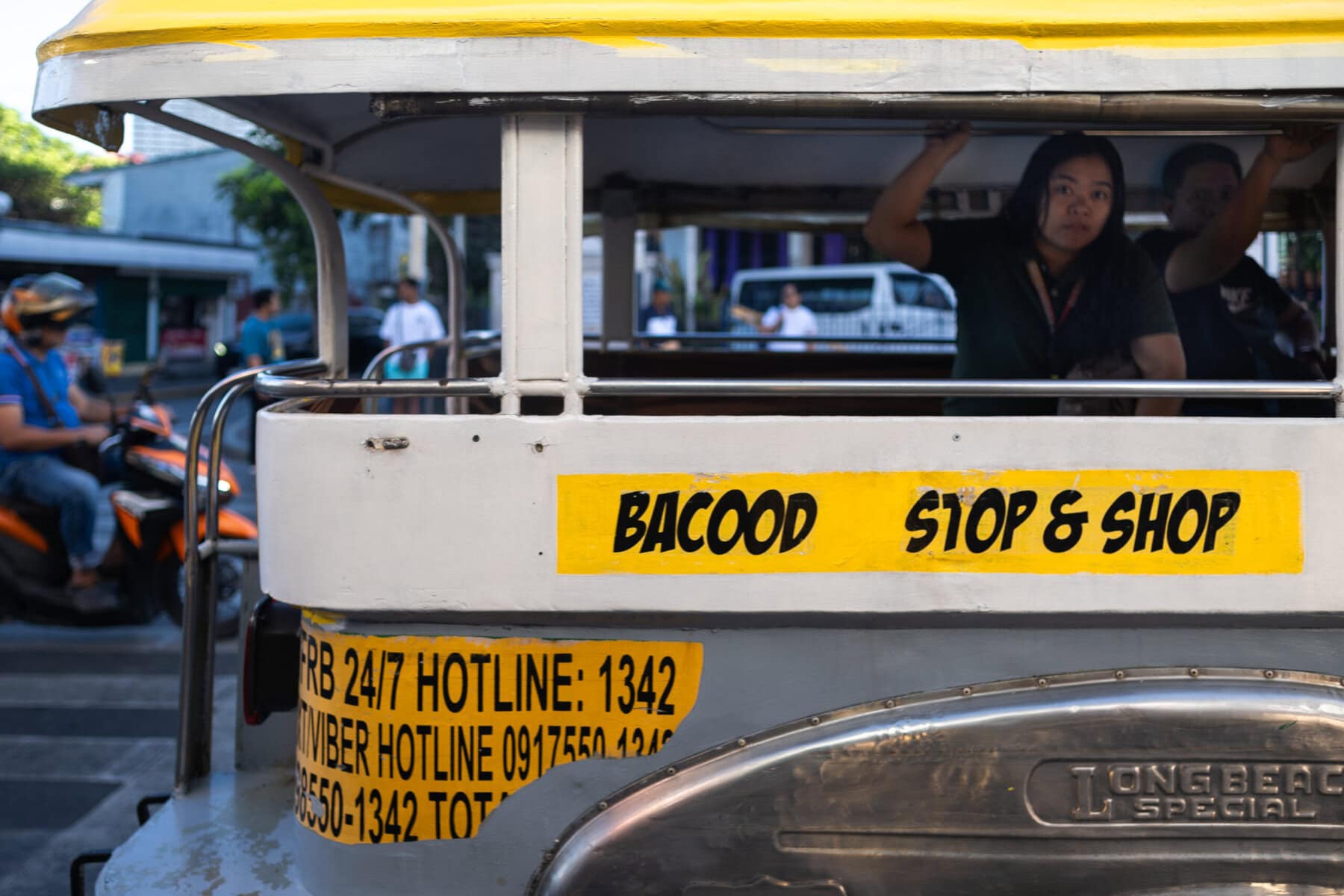
For decades, the jeepney has been hailed as a symbol of Filipino ingenuity, the king of the road, the unstoppable force that drives much of the Philippines' chaotic public transportation system. Born out of post-war necessity, the lowly jeepney has since evolved into a cultural icon symbolizing the everyday Filipinos grit and creativity. And now as government modernization programs accelerate, the jeepney faces an uncertain future. This piece takes a closer look at the complexities behind this transition and pays tribute to the people whose lives have revolved around these iconic vehicles for generations.
Every morning in Metro Manila, the metropolis wakes up to the sound and smell of diesel engines sputtering to life. The streets rapidly fill with a chaotic rush of private cars, colorum vans, motorbikes, trucks and buses, but none are as unmistakable as the jeepney. Stainless steel, chrome-plated, bursting with color, and packed with passengers, these moving canvases of Filipino life have ferried millions through the capital’s tangled roads for generations. Jeepneys are now more than just transport.
Jeepneys are often called a symbol of Filipino resilience, and perhaps that is true, but "resilience" has become an overused word. It is too often used to romanticize poverty, to put a glossy sheen on what is, in reality, the constant struggle of making do with less. It is easy to celebrate resilience when you are not the one forced to live within its bounds. But now back to our jeepney story, this rant on resilience should be a story on its own.
As mentioned above, every morning, way before the sun fully rises, millions of Filipinos begin their slow crawl through choked city streets. On average, they will spend more than four hours commuting to and from work. And for decades, one vehicle has carried much of the weight of that daily migration: the jeepney.
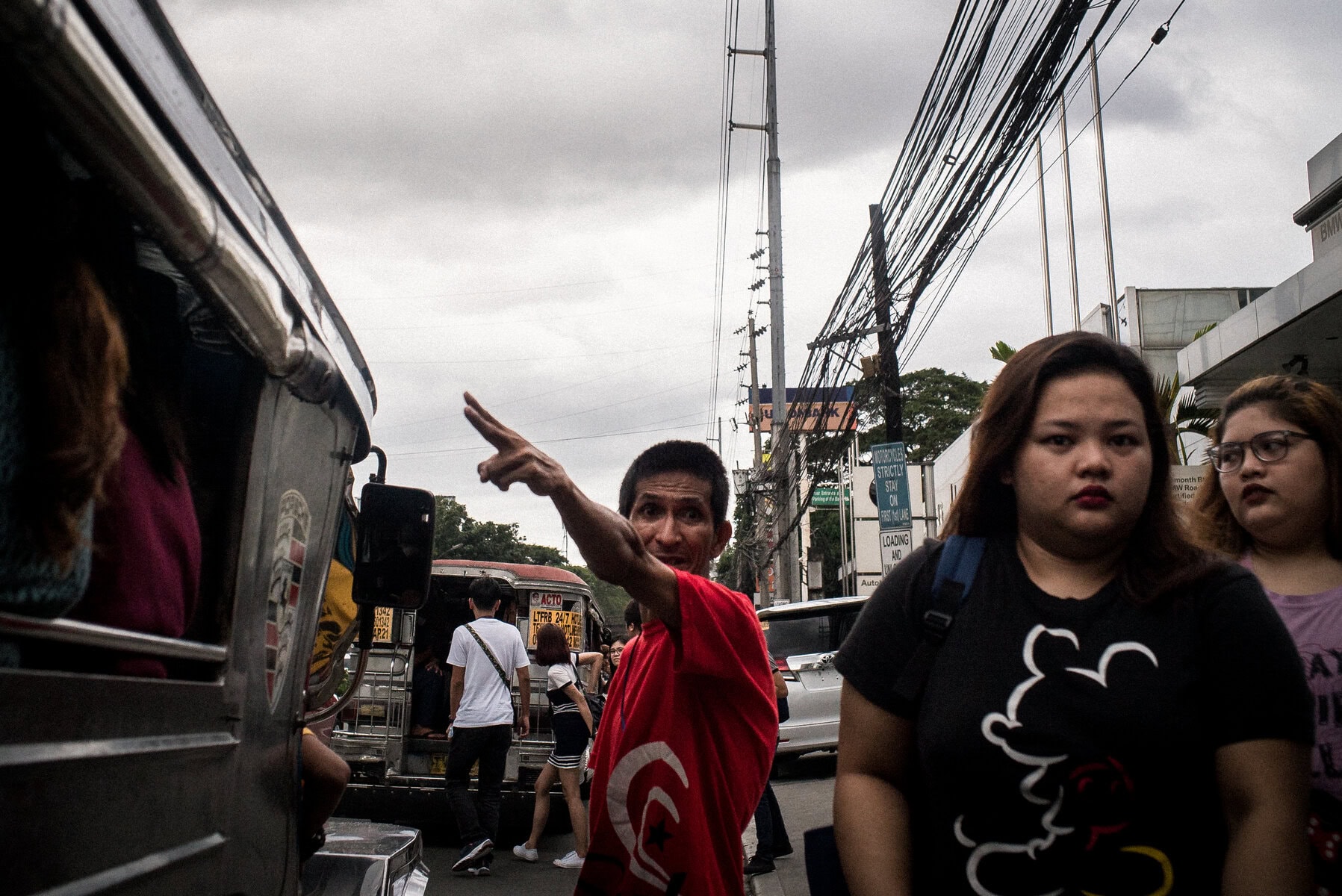
Jeepneys are often called a symbol of Filipino resilience, and perhaps that is true, but "resilience" has become an overused word. It is too often used to romanticize poverty, to put a glossy sheen on what is, in reality, the constant struggle of making do with less.
Yes, the jeepney is more than just public transportation. For a huge lot, it is a familiar constant in a rapidly changing world. Its ear-drum shattering engines and loudspeakers, colorful wraps, air-brushed artworks, and crowded, uncomfortable, bug-laden benches have become part of Filipinos' daily life. For the working class, it has long been the most practical and accessible way to navigate the sprawling cities and far-flung provinces of the country.
A product born out from post-war scarcity, the jeepney’s story is one of resourcefulness. At the end of World War II, surplus American military jeeps left behind by the liberating troops were either sold or given to locals. Eventually, Filipino mechanics extended their frames, added passenger seating, and transformed them into moving works of art. Each jeepney became an expression of personal and cultural identity, with religious icons, bold colors, slogans, images from pop culture, and symbols decorating every inch of available space.
But today, this enduring icon is being pushed out in favor of more modern, and "eco-friendly" minibuses called e-Jeepneys. The government’s public transport modernization program seeks to replace all aging, smoke-belching jeepneys with these new minibuses. Officials point to pressing issues like dangerous emissions, obvious lack of safety standards, and the urgent need to upgrade an already choked up public transport system.
Yet for the majority of drivers and operators, modernization feels less like progress and more like ethnic cleansing. The cost of acquiring the new e-Jeepneys would run into millions of pesos, well beyond the reach of small operators who have kept the system running for generations. Either you are forced into debt, or just taken out of work entirely. Critics of the modernization effort argue that program is less about clean air and safety and more about pricing out the poor, and like that of taxis, consolidating control under corporate fleets, and stripping away a grassroots system that grew from the ingenuity of the working man.
Inevitably, change is coming. The familiar stainless steel and chrome-plated bodies, adorned with hand-painted saints, superheroes, and slogans, are slowly disappearing. In their place are bland, uniform, sanitized vehicles that lack the soul, and spunk, and history, and relevance carried by every customized jeepney. What was once held up as a symbol of Filipino pride now risks becoming yet another casualty of a modernization narrative that too often forgets who gets left behind.
This series of captured moments is an ode to the jeepney and the lives it has carried. To the drivers who continue to brave the elements and the traffic, the conductors who called out destinations, the mechanics who kept the engines running, and the millions of passengers who climbed aboard every single day.
This is an ongoing tribute, with more jeepney posts and photos getting added over time, to an enduring symbol of Filipino ingenuity, captured before it forever disappears from our streets.
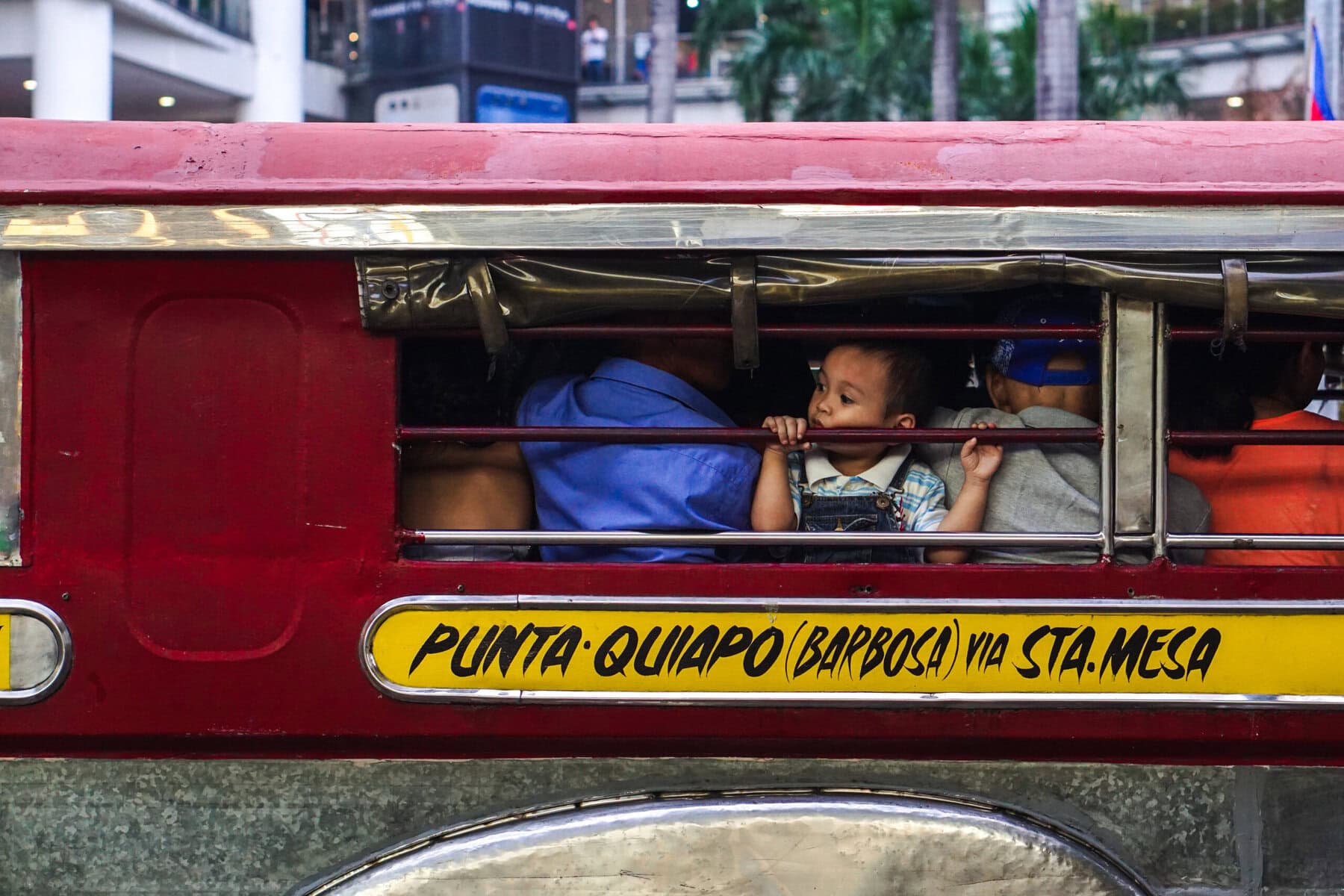
Jeepney along Pedro Gil Street and more on old edits
While going through my Lightroom library as part of an unplanned and unorganized effort to revisit old images, I came across this photo I originally edited in black and white. I had shared it on Instagram a few years ago, during a phase when I was exploring monochrome treatments for my street photography. I re-edited
Morning rush along Lubiran Street
Just another jeepney shot I took while on a morning walk along Lubiran Street in Santa Mesa, Manila. Taken 5 March 2024. I remember having breakfast in one of the neighborhood carinderias then taking a brief walk while grabbing some supplies for the day. I should make it a point to take more walks in
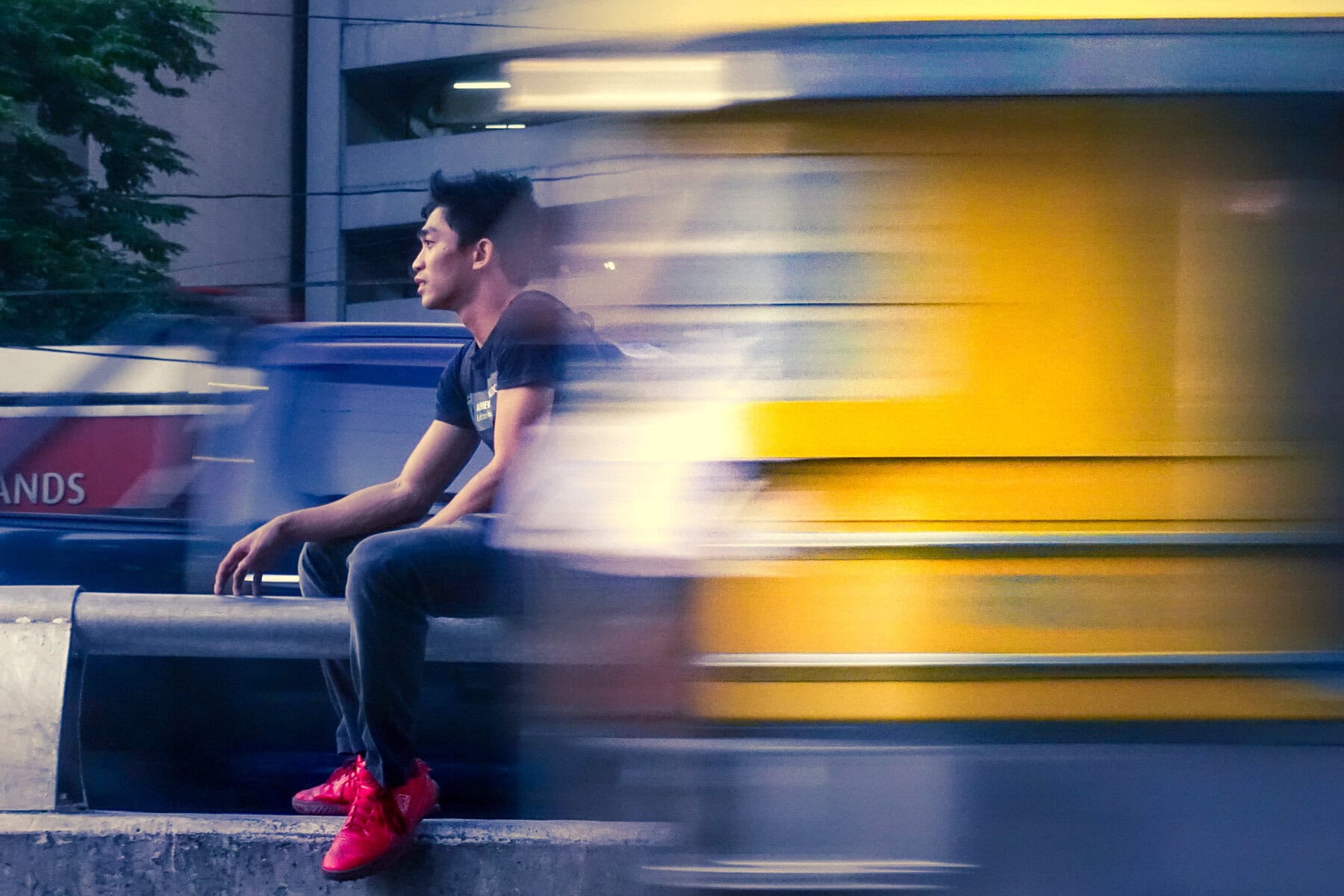
Life is a blur.
One of those unplanned walks where I end up shooting on my way home after an afternoon of meetings. It was a Friday and I was having a difficult time getting a ride. This photo is part of a self-project/series I am working on called Buhay Jeepney where I take photos of everyday people commuting using
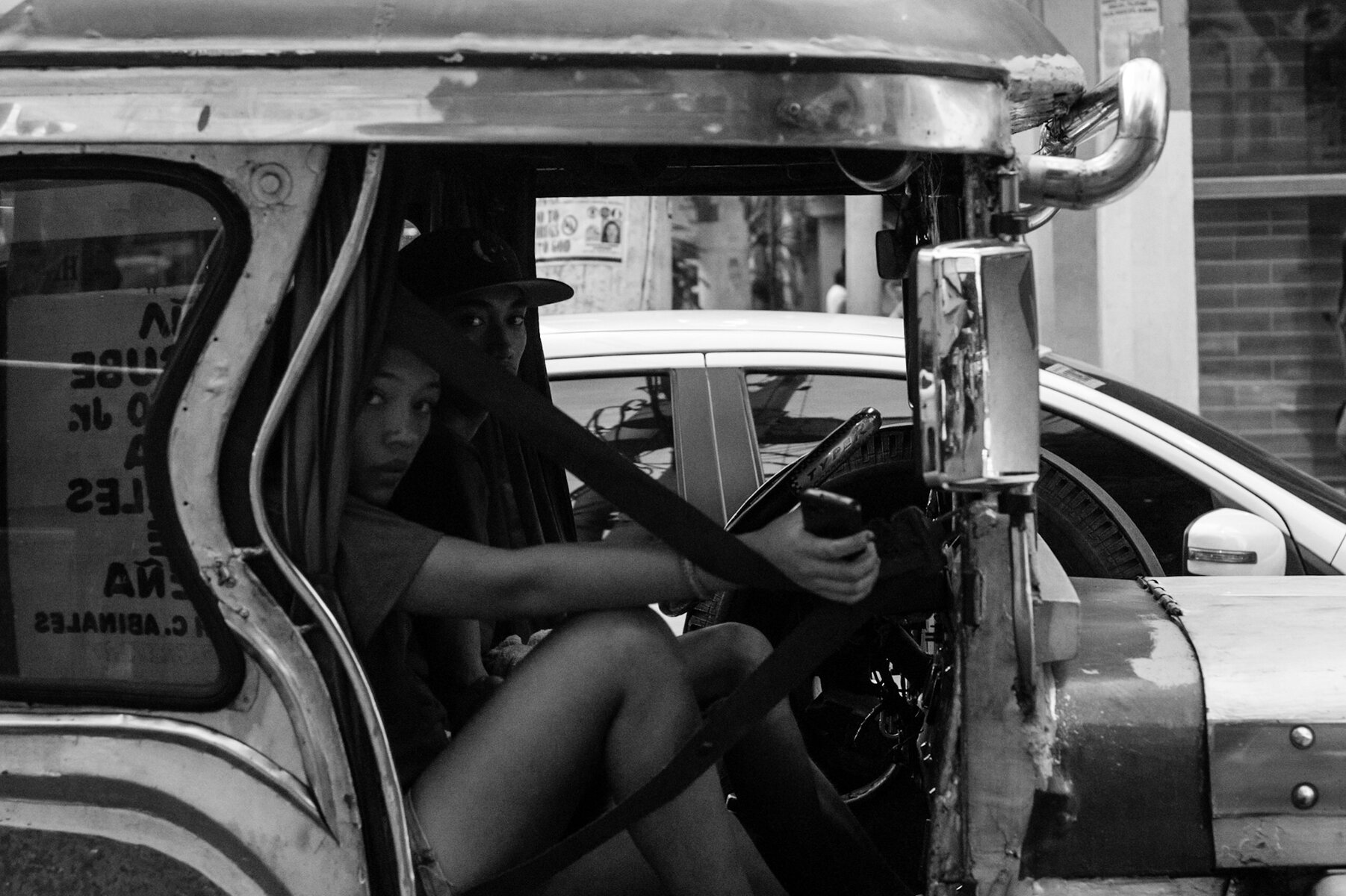
That look though…
A jeepney driver and his partner plying the streets of Ermita, Manila. Taking that late afternoon stroll looking out for Jeepney scenes and I run into this young couple. It was as if the entire scene unfolded in slow motion as they passed me, their eyes in sync looking at the lens. I just had
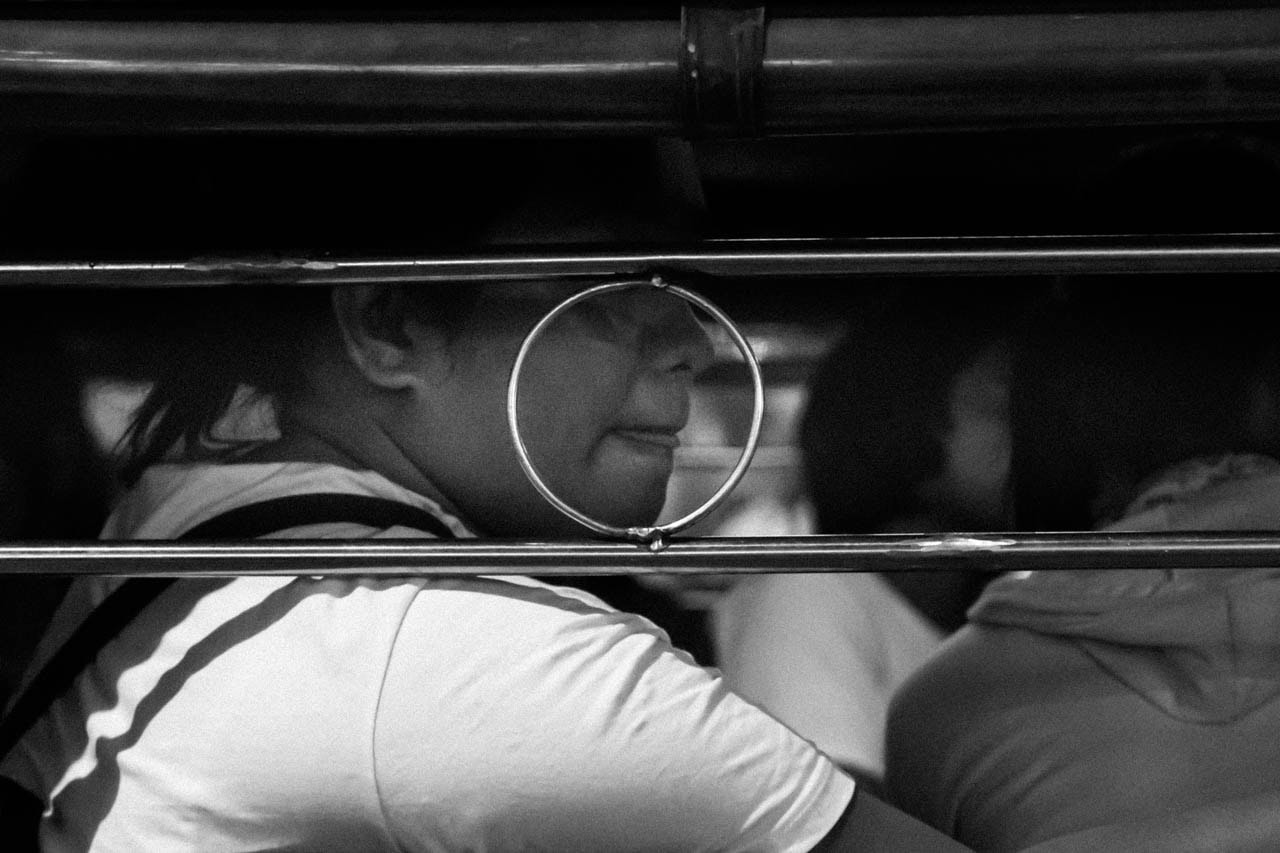
Buhay Jeepney: Are we there yet?
I’ll be honest with you. These days I’d mostly take an Uber or GrabCar when getting around the Metro. Only because most of where I need to go would take longer if I took a jeep. But that said, I still love taking photos of these old beasts and the people they ferry from location
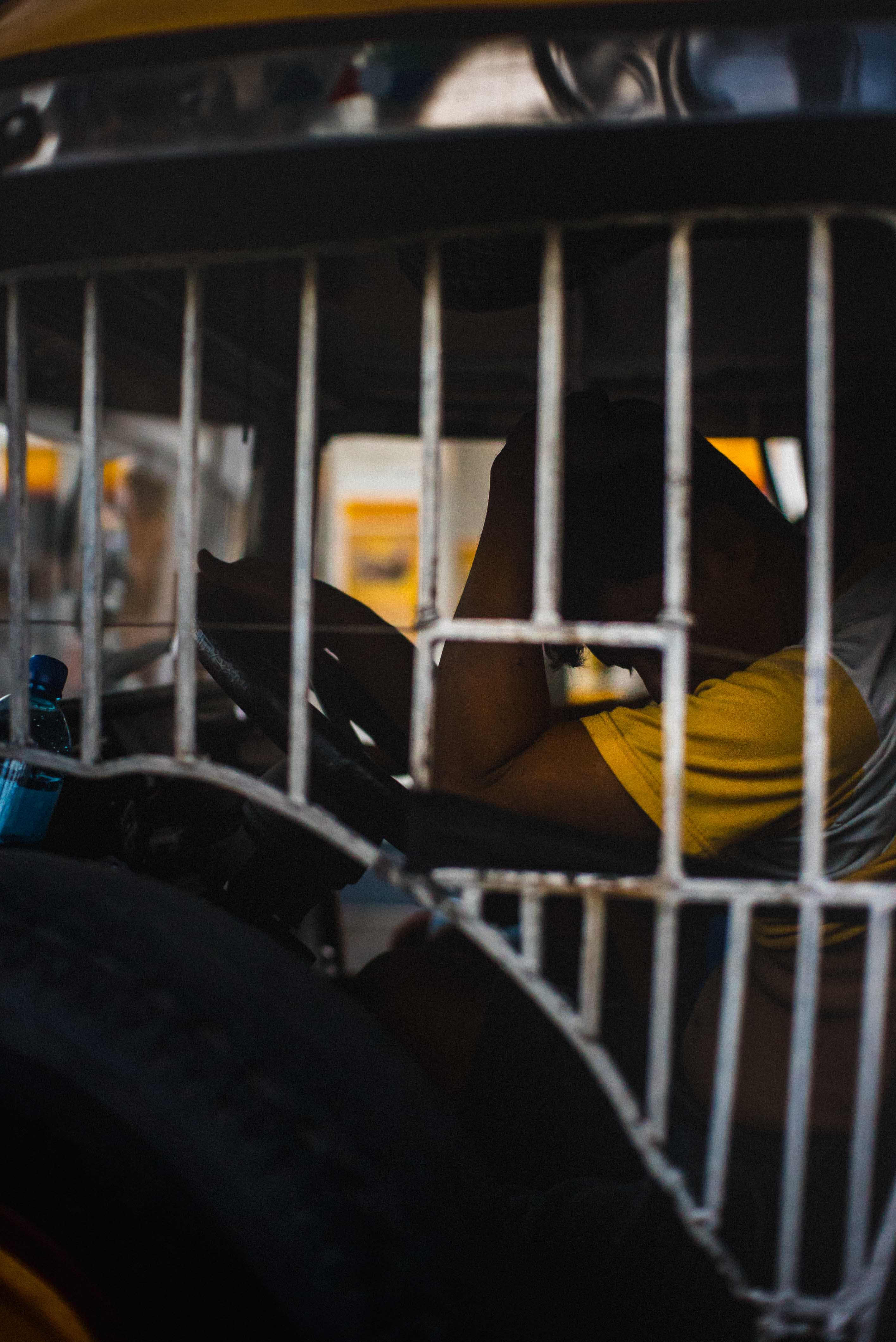
Buhay Jeepney: Monday na naman bukas.
To say that traffic in Metro Manila is beyond redemption is an understatement. Traffic here is so bad, it let’s you cycle through all the five stages of grief, after which you still end up stuck at the same gridlocked junction as before. The cycle repeats itself at almost every bottleneck, and so at the end of your commute,
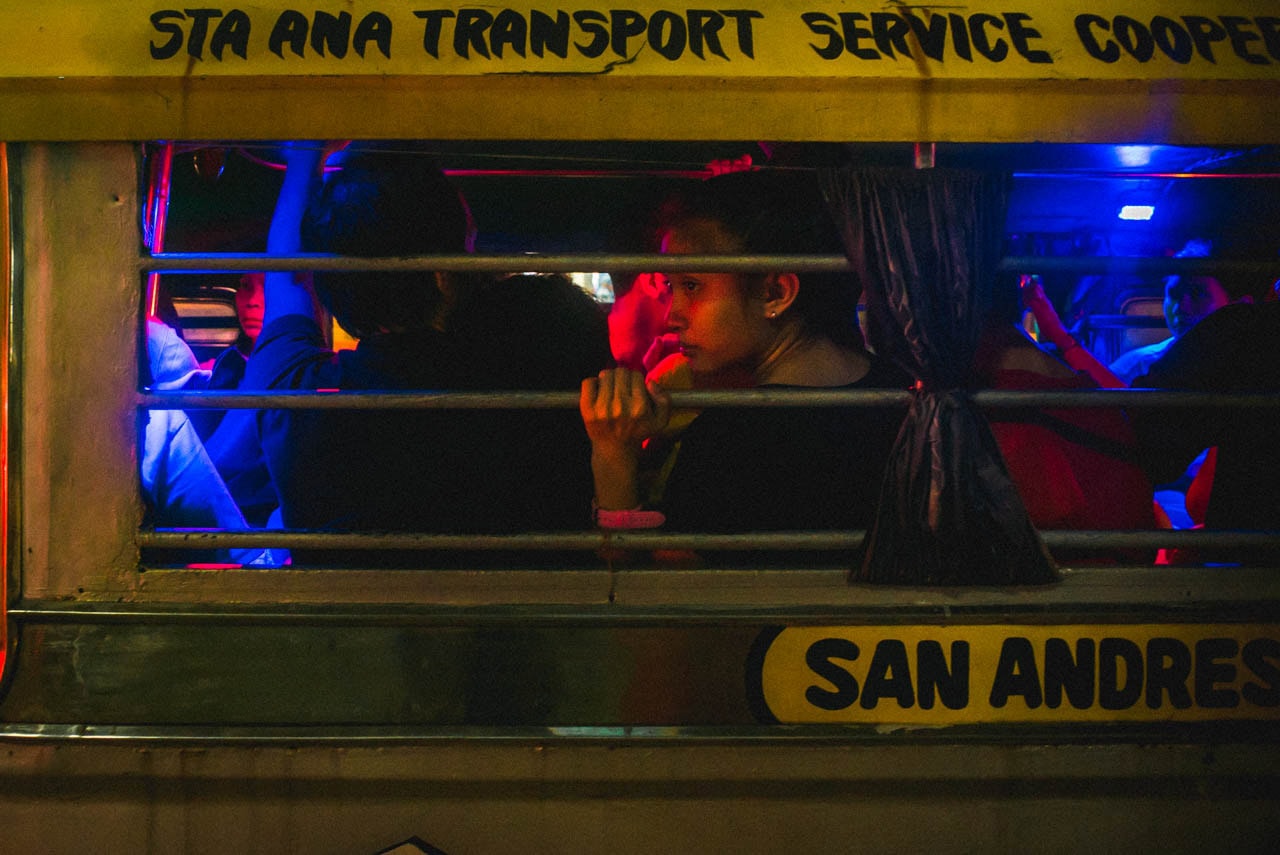
Buhay Jeepney: Belat
A photo of a woman on a moving jeepney taken at night along Pedro Gil Street in Ermita. I haven’t posted anything lately as I’m still finding time to go through photos that I took the past two months. There’s just too many jeepney photos to choose from and there’s no simple way but to
Buhay Jeepney: Taft Ave. corner Vito Cruz St.
Whenever I’m on foot or commuting during the evening rush or at later parts of the night, I’d take photos of jeepneys and the drivers or passengers. It has become a habit the past few months and it soon evolved into a series which I will soon start sharing and putting up on a special
Humans of San Andres Bukid: Eksena sa Jeep
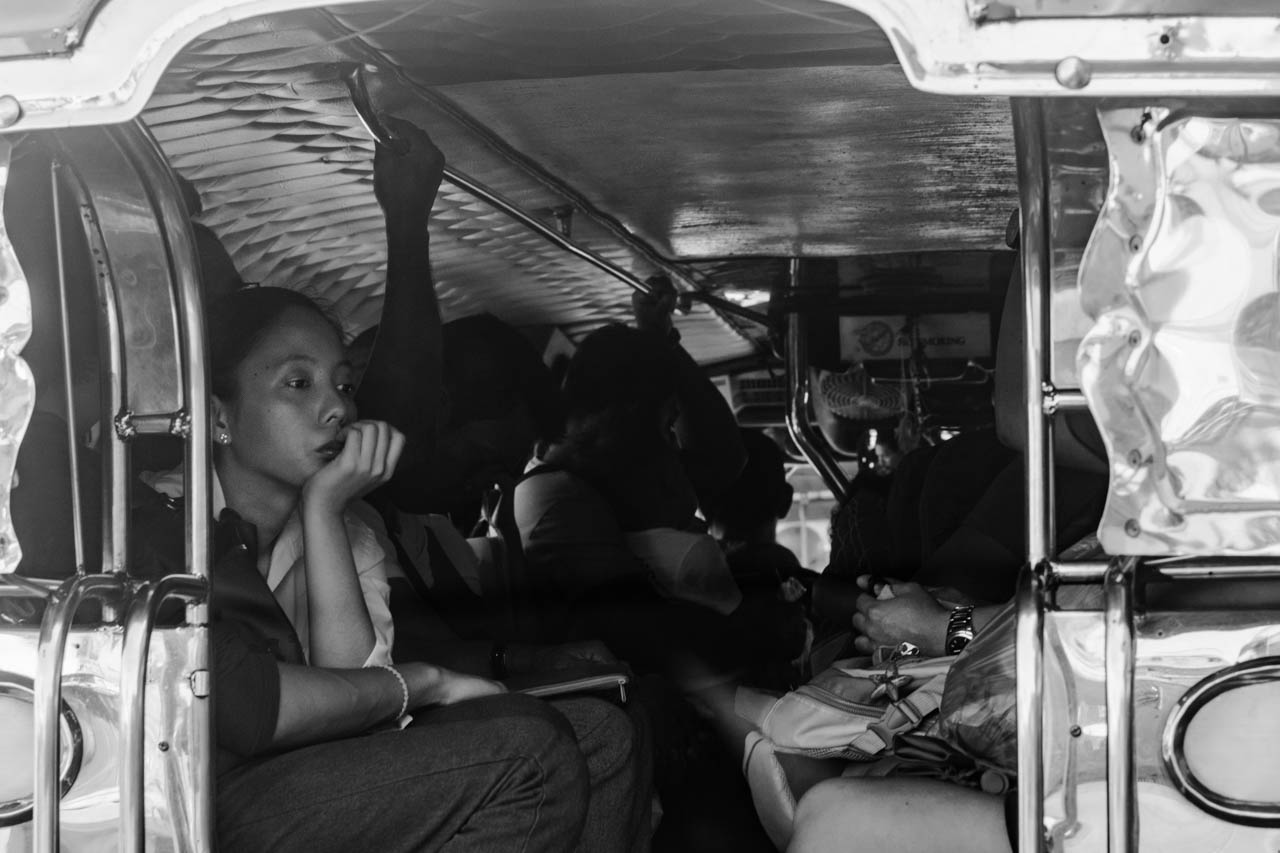
Jeepney passenger at the intersection of San Andres St. corner Osmeña Ave., Manila. This post is the first in my Humans of San Andres Bukid and Commuting in Manila series, a subset of my Streets of Manila set of images. Taken with a Sony A6000 and a Nikon Nikkor 50mm f/1.2 AI-S lens at 1/125s
1 comment
Mai
I enjoyed reading this Jon! More please :)